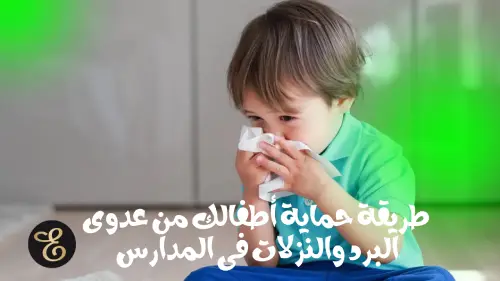
Ways to Protect Your Children from Cold and Flu Infections at School
Ways to Protect Your Children from Cold and Flu Infections at School
Steps to Protect Children from Infection During the School Year
Dr. Amjad Al-Haddad, a consultant in allergy and immunology at the Serum and Vaccine Institute, identified a set of steps that parents must follow to protect their children from infection — whether intestinal infections or common colds — during the school year.
These steps include preventive measures aimed at promoting children's health and ensuring their safety in the school environment, which helps reduce the risk of getting sick.
Tips to Protect Children from Infection During the School Year
Dr. Amjad Al-Haddad, a consultant in allergy and immunology at the Serum and Vaccine Institute, confirmed in a video published on the official page of the Information and Decision Support Center at the Council of Ministers, the necessity of taking a number of precautions to protect children from infection, such as colds, flu, and excessive skin itching.
Al-Haddad stressed the importance of making the child's supplies personal, warning against sharing food and drinks with classmates to reduce the chances of infection. He confirmed that using supplies individually — such as pens, rulers, and school tools — helps prevent the spread of diseases, including epidemic conjunctivitis which may spread through sharing or direct contact.
The Importance of Vaccinations in Winter
Al-Haddad focused on the importance of getting the influenza vaccine for children, in addition to pneumococcal vaccines for protection against pneumonia. He also mentioned the importance of the RSV vaccine.
He added that if the child is vaccinated, their face is washed well before going to school, a complete nutritious meal is provided, and heavy cotton clothing appropriate for the weather is worn, this may help protect them from infectious and intestinal diseases.
Ways to Protect Children from Cold Infections at Schools
Colds are among the most common illnesses among children, especially during school periods when children gather in closed environments. Infection spreads easily among children, making it necessary to take preventive steps to protect their health. Here are some effective ways to protect children from cold infections at schools.
1. Promoting Personal Hygiene
Regular Handwashing
Children must be taught the importance of washing their hands frequently, especially before eating and after using the bathroom. Using water and soap for 20 seconds or using a hand sanitizer containing 70% alcohol can reduce the spread of germs.
Avoiding Unnecessary Touching
Children should be encouraged not to touch their faces — especially the eyes, nose, and mouth — as viruses can enter their bodies through these areas.
2. Using Personal Supplies
Keeping School Tools Personal
School supplies such as pens, rulers, and towels must be personal to each child. Not sharing these tools reduces the chances of spreading infection among children.
Not Sharing Food and Drink
Avoiding the sharing of food and drinks with classmates is essential to limiting the risk of infection. Children must be reminded of the importance of eating their own meals.
3. Necessary Vaccinations
Influenza Vaccines
The influenza vaccine is one of the effective means of protecting children from infection. It is recommended to vaccinate children against influenza annually, especially before the start of winter.
Other Vaccines
Make sure the child is vaccinated against other diseases such as pneumonia, as this helps boost their immunity and ability to resist infection.
4. Proper Nutrition
Balanced Meals
Providing complete nutritious meals that contain fruits, vegetables, and proteins is essential to boosting the child's immune system. Foods rich in vitamins such as vitamin C and zinc are beneficial for strengthening immunity.
Drinking Water
Make sure children drink adequate amounts of water throughout the day. Good hydration helps maintain the health of the mucous membranes in the nose and throat, which reduces the chances of infection.
5. Promoting Healthy Habits
Adequate Sleep
Children need sufficient sleep periods to boost their immunity. Children should sleep between 9 to 11 hours at night depending on their age.
Physical Activity
Encouraging children to exercise regularly helps improve their general health and strengthen the immune system. Activities such as playing outdoors or participating in team sports can be beneficial.
6. Awareness and Education
Teaching Children About Diseases
Children should be educated about how colds spread and the importance of following healthy habits. This can help reinforce their health behaviors.
Communication with the School
Make sure the school follows preventive procedures, such as good ventilation of classrooms, periodic cleaning of surfaces, and isolating infected children.
Protecting Our Children from Colds at Schools: A Comprehensive Guide
Schools are a nurturing environment for children, but at the same time they are fertile ground for the spread of infectious diseases, especially colds. Due to children gathering in one place and constant mixing, the risk of spreading infection is high. In this article, we will cover the most important ways to protect our children from catching colds at schools.
Reasons for the Spread of Colds at Schools
- Direct contact: Direct contact between children is the main cause of infection spreading, whether through sneezing, coughing, sharing toys, or personal tools.
- Contaminated surfaces: Germs and viruses accumulate on shared surfaces such as door handles, children's toys, and study tables, increasing the chances of infection spreading.
- Weak immune system: Children's immune systems are weaker than adults', making them more susceptible to infectious diseases.
Ways to Prevent Colds at Schools
1. Personal Hygiene:
- Regular handwashing: Hands should be washed with water and soap for no less than 20 seconds, especially before eating, after using the bathroom, and after sneezing or coughing.
- Covering the mouth and nose: Children should cover their mouths and noses with a tissue when sneezing or coughing, and if no tissue is available, they should sneeze or cough into their elbow.
- Avoiding touching the face: Children should avoid touching their eyes, noses, and mouths with unwashed hands.
2. Promoting General Health:
- Healthy nutrition: Care must be taken to ensure children receive a balanced diet rich in vitamins and minerals that strengthen the immune system.
- Adequate rest: Children must get sufficient sleep, as sleep helps restore energy and increase the body's ability to resist disease.
- Regular exercise: Exercise helps strengthen the immune system and improve blood circulation.
3. Ventilation of Classrooms:
- Opening windows: Classrooms should be ventilated regularly to allow fresh air to enter and renew the air inside the room.
- Regular surface cleaning: Shared surfaces in classrooms should be cleaned regularly using disinfectants.
4. Vaccination:
- Flu vaccination: Influenza vaccination can help prevent this disease, which can lead to serious complications in children.
5. Teaching Children Healthy Behavior:
- Awareness: Children should be taught the importance of personal hygiene and how to prevent infectious diseases.
- Cooperation: Children should be encouraged to cooperate with each other in maintaining school cleanliness.
The School's Role in Prevention
- Providing soap and sanitizers: Soap and sanitizers should be provided in restrooms and classrooms.
- Regular cleaning: The school should be cleaned regularly, with a focus on surfaces that children touch frequently.
- Health awareness: Health awareness programs for children and teachers should be organized about the importance of hygiene and disease prevention.
Finally
Protecting our children from colds in schools requires the combined efforts of all parties, including parents, teachers, and the school. By following these tips, we can limit the spread of infectious diseases in schools and protect the health of our children.
And here, dear friend, we have successfully completed our mission ✌
Don't forget your brothers and sisters in Palestine in your prayers
With greetings from the team #Digital_Transformers
Find what interests you at ًں‘ˆ#Our Store
You can become a member of our family by joining the Telegram Group from ًں‘ˆhere
or Facebook Group from ًں‘ˆhere

Others were also interested in:
For the First Time — Xiaomi 15 Series with Snapdragon 8 Processor Worth Buying
Solving the Problem of the Virtual System Failing to Start in VMware — how to resolve intel VT-x is disabled issue
The Feature of Organizing WhatsApp Messages According to Separate Lists
Microsoft Announces a Range of Laptops with Snapdragon X Processors Featuring Copilot AI Technology
Apple Integrates Artificial Intelligence Across Its Various Systems — Apple Intelligence
How to Create Your CV on Wikipedia
The Top 6 Ways and Tips for Effective Change Management
How to Create a Page in Your Name or Your Business Name on Wikipedia to Achieve Fame
What Is Change Management?
What Does Clustering Servers Mean?