ًںڑ¨Do Not Drink Water from Plastic Bottles and the Harms of Plastic in General
Do Not Drink Water from Plastic Bottles and the Harms of Plastic in General
ًںڑ¨ The Harms of Drinking Water from Plastic Bottles and the Harms of Plastic in General
Plastic bottles may appear safe, but they contain chemical substances that can leach into the water and affect your health, especially if they are exposed to heat or repeated reuse.
âڑ Harms of Drinking Water from Plastic Bottles
1ï¸ڈ⃣ Leaching of Chemicals into the Water ًں§ھ
- Some bottles contain BPA (Bisphenol A), a substance that may cause hormonal disruption and affect fertility and immunity.
- When bottles are exposed to heat (such as leaving them in the car or under the sun), these substances may leach more rapidly.
2ï¸ڈ⃣ Increased Risk of Disease ًں¤’
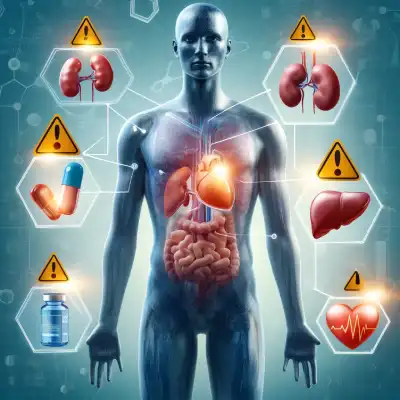
- The chemical substances found in plastic may affect the liver, kidneys, and endocrine glands.
- Some studies link chronic exposure to BPA to an increased risk of cancer, diabetes, and obesity.
3ï¸ڈ⃣ Bacterial Accumulation ًں¦
- Reusing plastic bottles without proper cleaning makes them an ideal environment for the growth of bacteria and fungi.
- Small cracks inside the plastic store germs even after washing.
4ï¸ڈ⃣ Effect on Hormonal Balance âڑ–
- Some substances in plastic may affect testosterone and estrogen hormones, which may lead to problems with fertility and metabolism.
ًں”¥ The General Harms of Plastic on Health and the Environment
✔ On Health:
ًںڑ« Plastic materials used in food packaging may contain toxic substances that leach into food, especially when heated in the microwave.
ًںڑ« Some components of plastic may affect the nervous system and cause disorders such as anxiety and memory weakness.
✔ On the Environment:
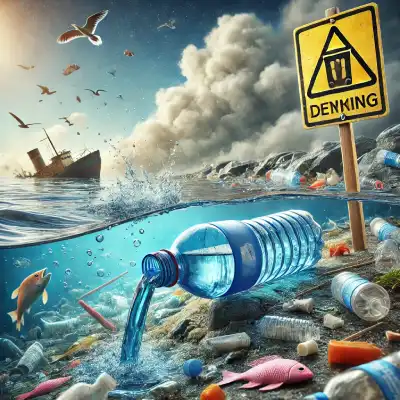
ًںŒچ Plastic does not decompose easily, causing water and soil pollution.
ًںگ¢ Marine animals and birds accidentally swallow plastic, which leads to their death.
✅ How Can You Reduce the Risk of Plastic?
✔ Use glass or stainless steel bottles instead of plastic.
✔ Avoid exposing plastic bottles to heat (such as the sun or microwave).
✔ Choose containers labeled “BPA-Free” to reduce the risk.
✔ Do not reuse plastic bottles for long periods.
✔ Reduce the use of plastic bags and utensils and replace them with biodegradable materials.
ًں’، Also:
- Drinking water from plastic bottles, especially when exposed to heat, may cause the leaching of harmful substances that affect health.
- It is better to use glass or stainless steel to protect your health and the environment. ًںŒ±ًں’§
Polypropylene (PP) Number 5
It is one of the relatively best types of plastic and the safest when used to store water and food, but it is not completely ideal. Let us clarify the difference between the various types of plastic and the degree of safety of each.
ًں”چ Plastic Classifications from 1 to 7 and Their Safety
ًں”¢ Every plastic bottle contains a number inside the recycling triangle, which determines the type of plastic used:
| ًں”¢ Plastic Number | ًں”چ Name | âڑ Safety for Use with Water |
|---|---|---|
| 1 – PETE (Polyethylene Terephthalate) | Common in water and juice bottles | ⌠Safe for single use only, and should not be refilled as it may leach chemicals such as BPA. |
| 2 – HDPE (High-Density Polyethylene) | Used in milk and detergent bottles | ✅ Relatively safe and resistant to chemicals. |
| 3 – PVC (Polyvinyl Chloride) | Found in water pipes and some plastic wrappings | ⌠Very harmful, contains toxic substances such as phthalates. |
| 4 – LDPE (Low-Density Polyethylene) | Used in plastic bags and some squeezable bottles | âڑ Relatively safe but may release chemical substances when exposed to heat. |
| 5 – PP (Polypropylene) | Used in some water bottles, yogurt cups, and food containers | ✅ The best among plastic types, heat-resistant and does not react easily. |
| 6 – PS (Polystyrene – Foam) | Used in foam cups and plates | ⌠Contains styrene, which is harmful to health. |
| 7 – Other (Other types such as BPA and polycarbonate) | Used in some sports bottles and CDs | ⌠May contain BPA, a substance that causes hormonal disruptions. |
✅ Is Plastic Number 5 (PP) Safe for Drinking Water?
✔ Yes, Polypropylene (PP) classified as number 5 is one of the safest types of plastic, because it:
- Does not contain BPA or phthalates, which are substances that cause hormonal disruptions.
- Is heat-resistant, meaning it does not react easily when exposed to hot water.
- Is used in medical containers and food packaging containers because it does not easily leach toxic substances.
ًں’، However, attention must be paid to:
ًں”¹ Not leaving it in the sun or high heat, as it may start to gradually decompose.
ًں”¹ Not using it for very long periods, as continuous friction may cause it to erode and leach tiny plastic particles (Microplastics).
ًں”¹ It is best to choose plastic bottles labeled “BPA-Free” to ensure they do not contain any harmful substances.
ًںژ¯ Also
- Plastic number 5 (PP) is the best and safest for drinking water compared to other types.
- Despite that, it is preferable to use glass or stainless steel in the long term to avoid any potential risks.
- Avoid exposing the plastic bottle to high heat or reusing it for very long periods.
✅ How Can PVC (Polyvinyl Chloride) Be Toxic, Yet Used in Water Pipes?
ًں”چ The Truth About PVC in Water Pipes:
Polyvinyl Chloride (PVC) is a type of industrial plastic used in the manufacture of water pipes, but it undergoes special treatment processes that make it safer when used to transport water. However, not all forms of PVC are equal in terms of safety, and there are potential risks when exposed to certain conditions.
âڑ Why Is PVC Considered Toxic in Some Cases?
1ï¸ڈ⃣ Containing Phthalates and Lead
- Some types of old or untreated PVC contain phthalates or heavy metals such as lead, which are toxic substances that may leach into the water over time.
- But in modern water systems, lead-free and phthalate-free PVC is used.
2ï¸ڈ⃣ Releasing Chemical Substances When Exposed to Heat
- If PVC pipes are exposed to high temperatures, they may release volatile organic compounds such as dioxins, which are considered carcinogenic substances.
- For this reason, PVC is not used in hot water systems, and is replaced with other types such as CPVC (Chlorinated Polyvinyl Chloride) or copper.
3ï¸ڈ⃣ Effect of Chemical Reaction with Chlorine and Metals
- When chlorine-treated water passes through PVC pipes for a long period, chemical reactions may occur that produce substances such as trichlorophenol, which is a compound harmful to health.
- For this reason, a protective inner layer is added to some types of pipes to prevent this reaction.
✅ Why Is PVC Used in Water Pipes Despite These Risks?
✔ Treated PVC that meets health specifications is relatively safe, and does not easily release toxic substances.
✔ Used in cold water systems only, where the probability of chemical substance leaching is much lower.
✔ Resistant to corrosion and reaction with acids and chemical substances compared to iron or copper.
✔ Lightweight and easy to install, making it an economical choice.
ًں”چ What Is the Difference Between PVC and CPVC?
ًں”¹ Regular PVC → Used for cold water only, and may be dangerous if exposed to heat or high water pressure.
ًں”¹ CPVC (Chlorinated) → Used for hot water, as it withstands higher temperatures without leaching harmful substances.
ًںژ¯ Also
- Regular PVC may be toxic under certain conditions, such as exposure to high heat or long-term use with chlorine-treated water.
- In water pipes, treated PVC that meets health specifications is used, which reduces the risks.
- For hot water, CPVC is used instead of regular PVC to avoid the leaching of harmful chemical substances.
ًں’، If you plan to use PVC pipes, make sure they are “lead-free and phthalate-free”, and meet health standards. ًںڑ°ًںکٹ